



When you first started learning key duplication, did you ever experience a bricked car? In automotive key programming, mistakes aren’t just inconvenient—they can be incredibly expensive.
In our latest session, we map out the Top 6 Survival Mistakes that every locksmith beginner needs to avoid:
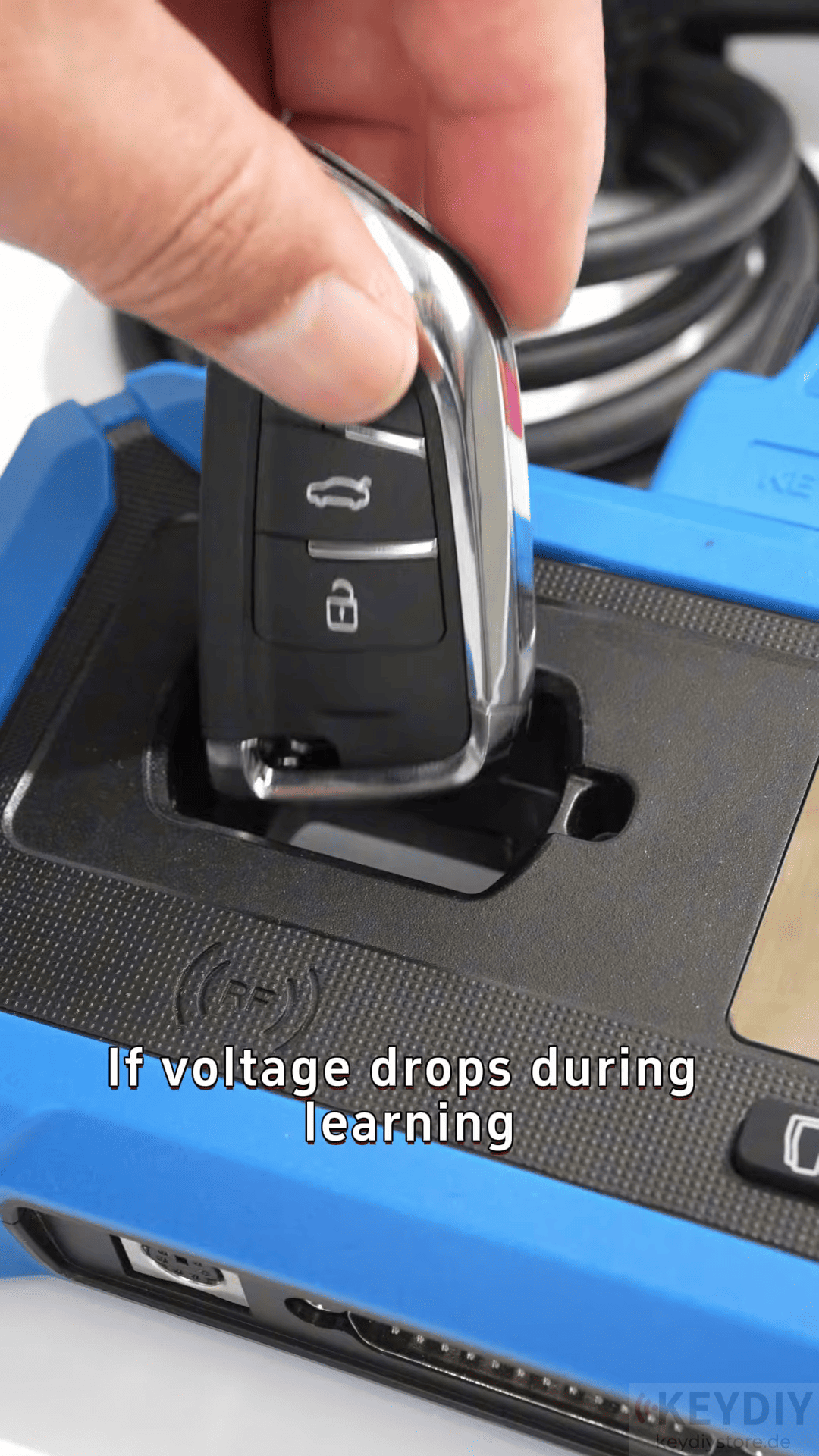
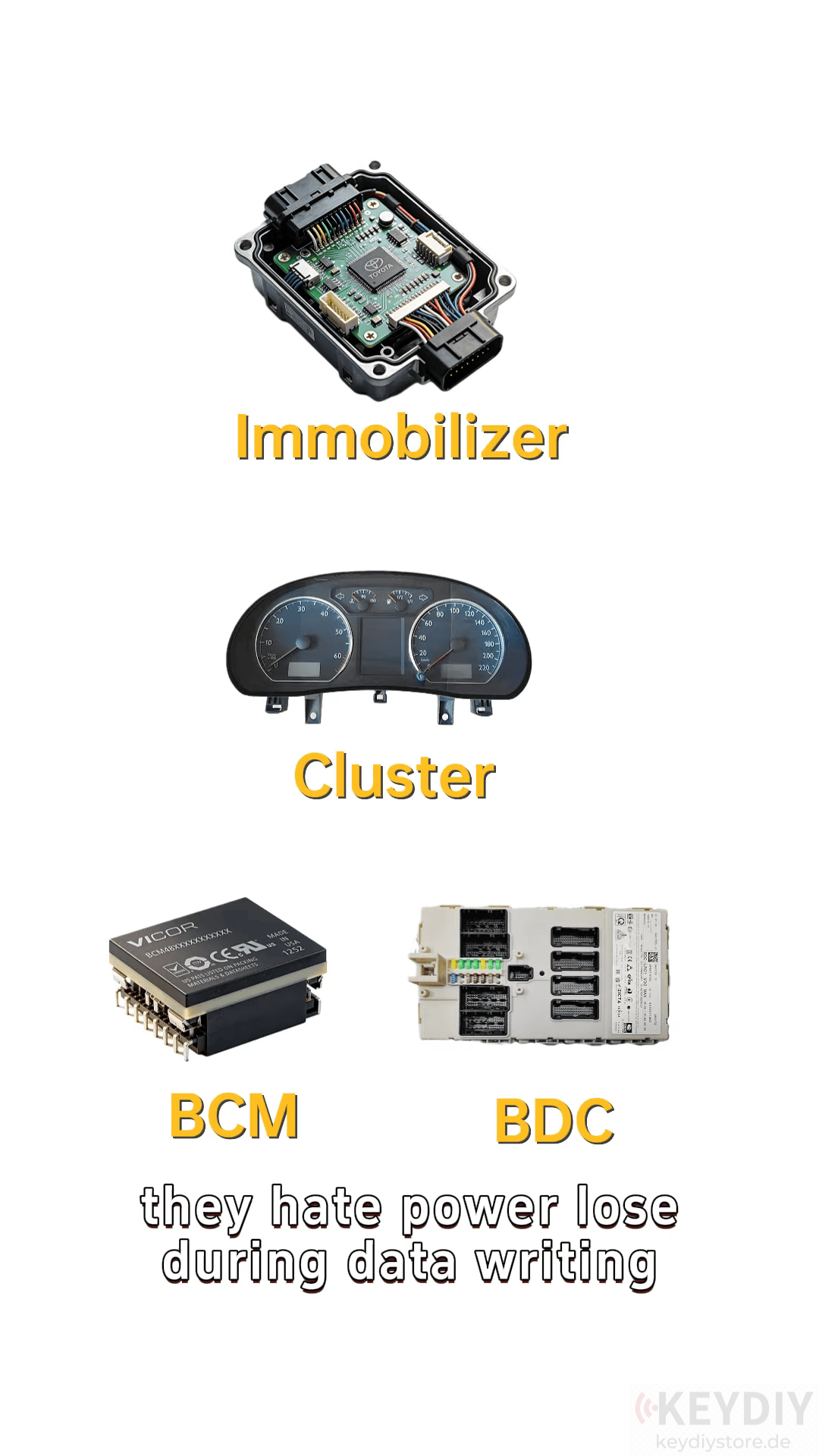
1. Unstable Voltage: The absolute #1 way to break a car. If voltage drops during data writing, the module (Immobilizer, Cluster, BCM, BDC) can get partially bricked instantly. Remember: No stable power supply, no key programming.
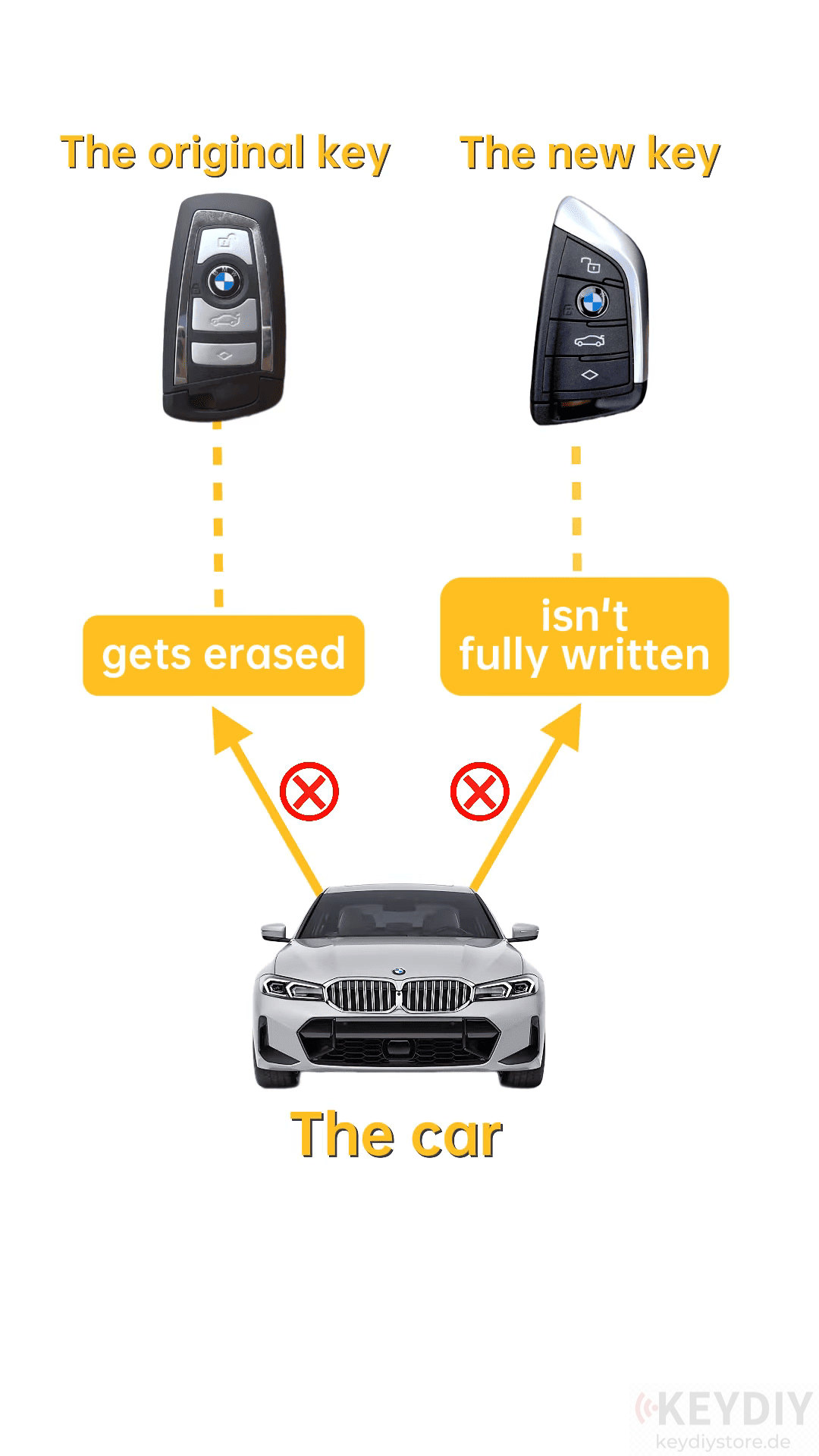
2. Treating “Add Key” like “All Keys Lost“: Forcing an AKL procedure when you still have a working key will erase the original key and leave the car recognizing nothing.
3. Repeatedly Forcing Locked OBDs: When many newer cars enter an AKL state, OBD learning is locked for security. Forcing it repeatedly only locks modules further and makes data recovery much harder.
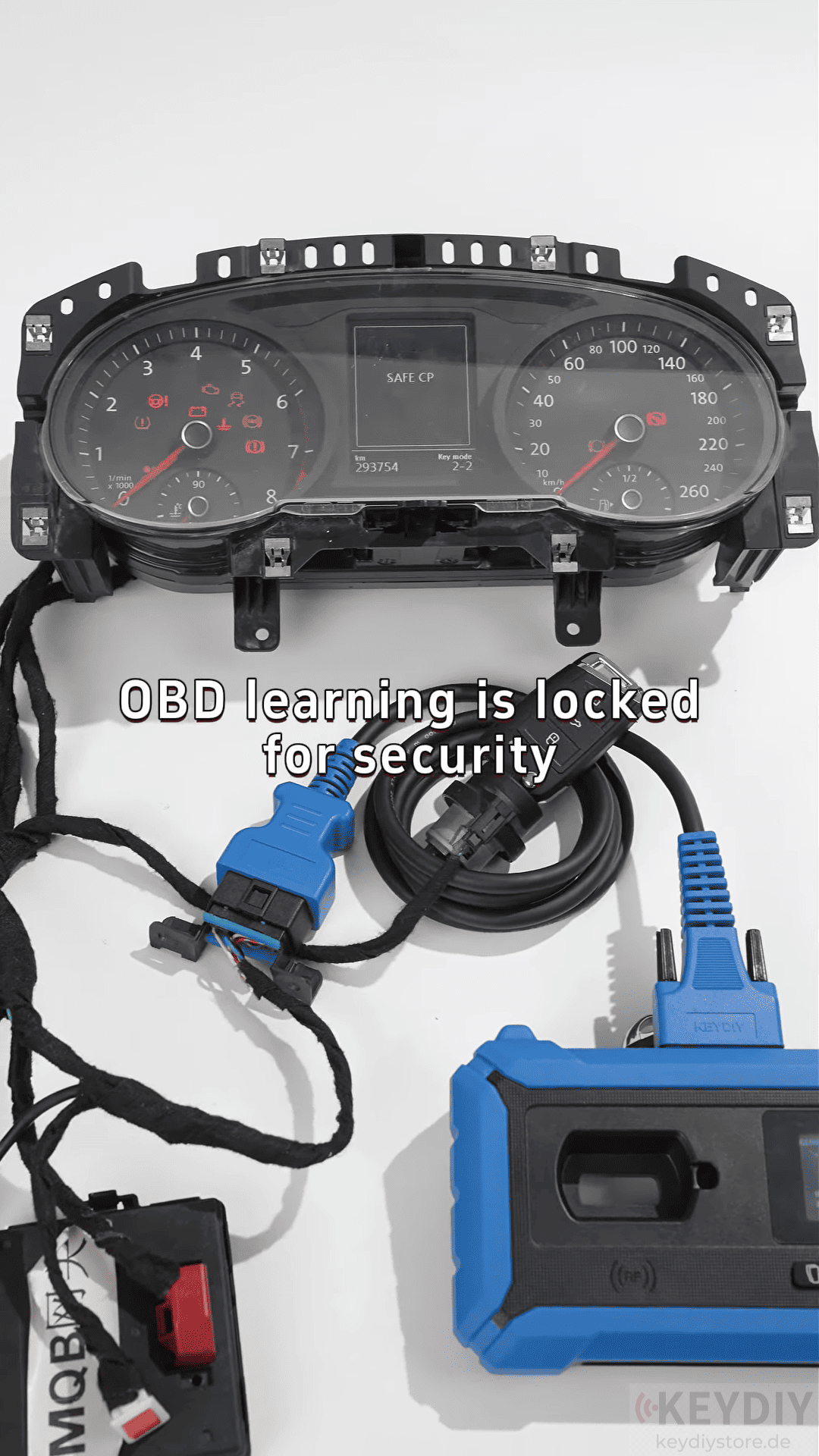
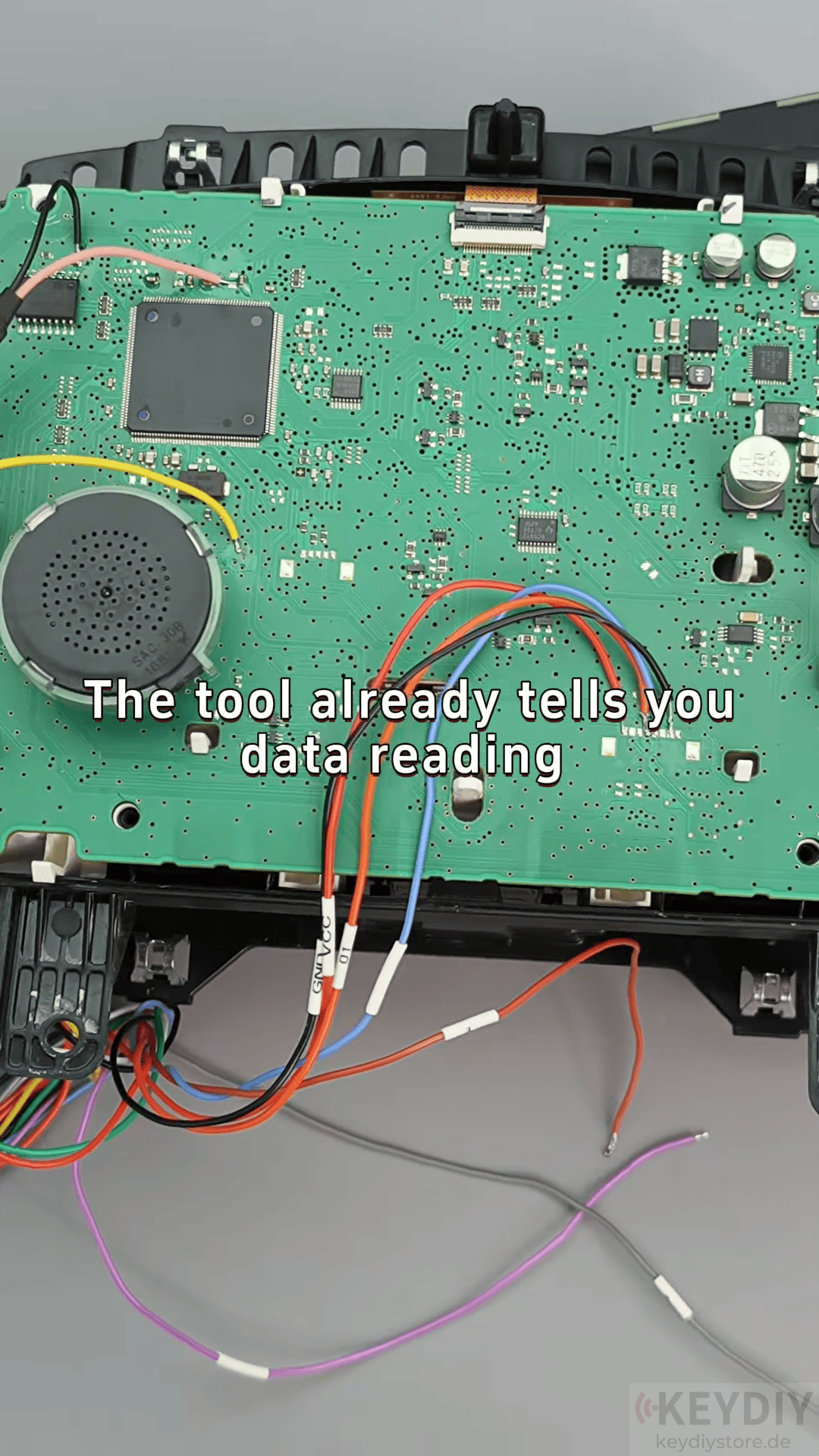
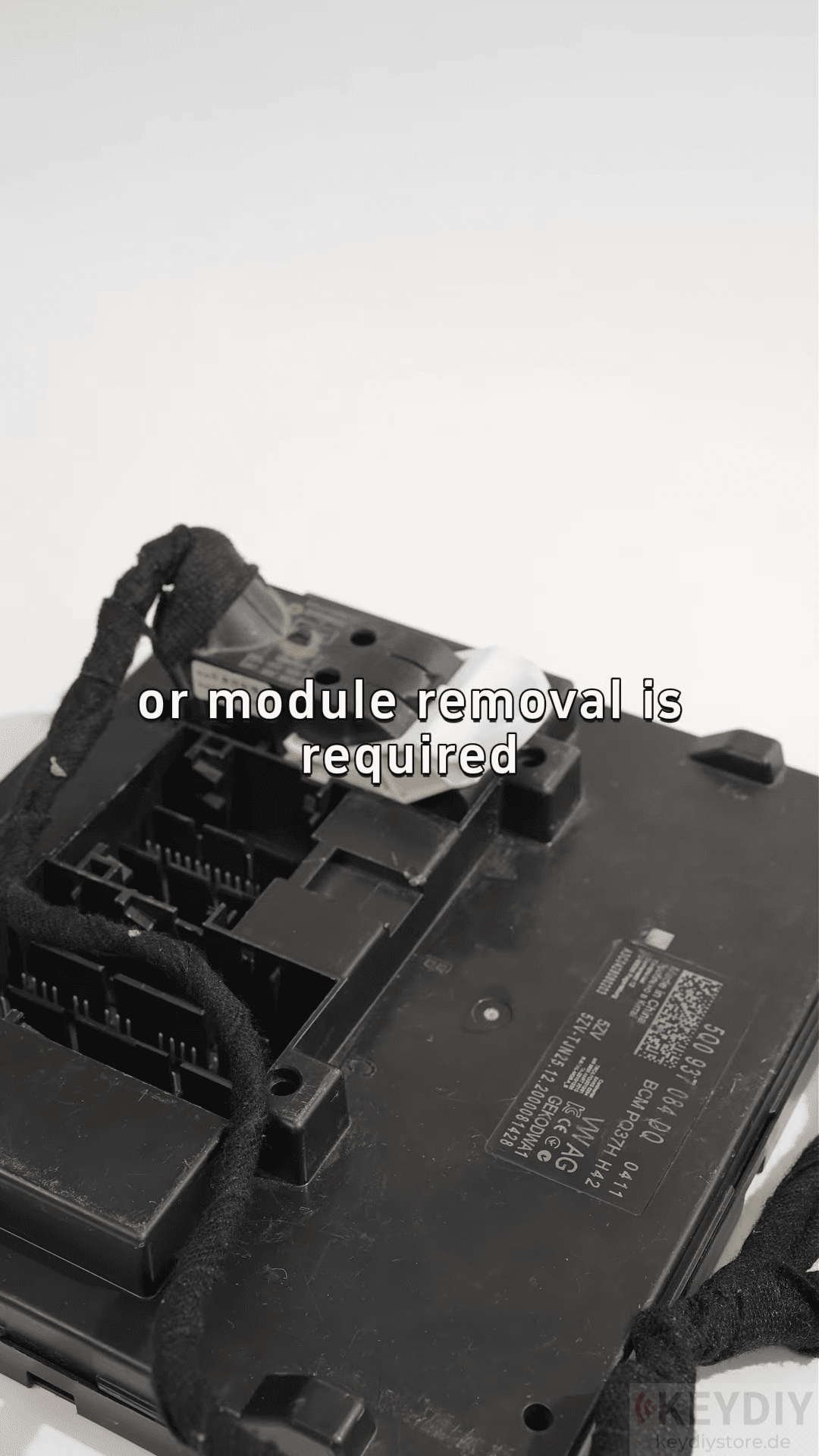
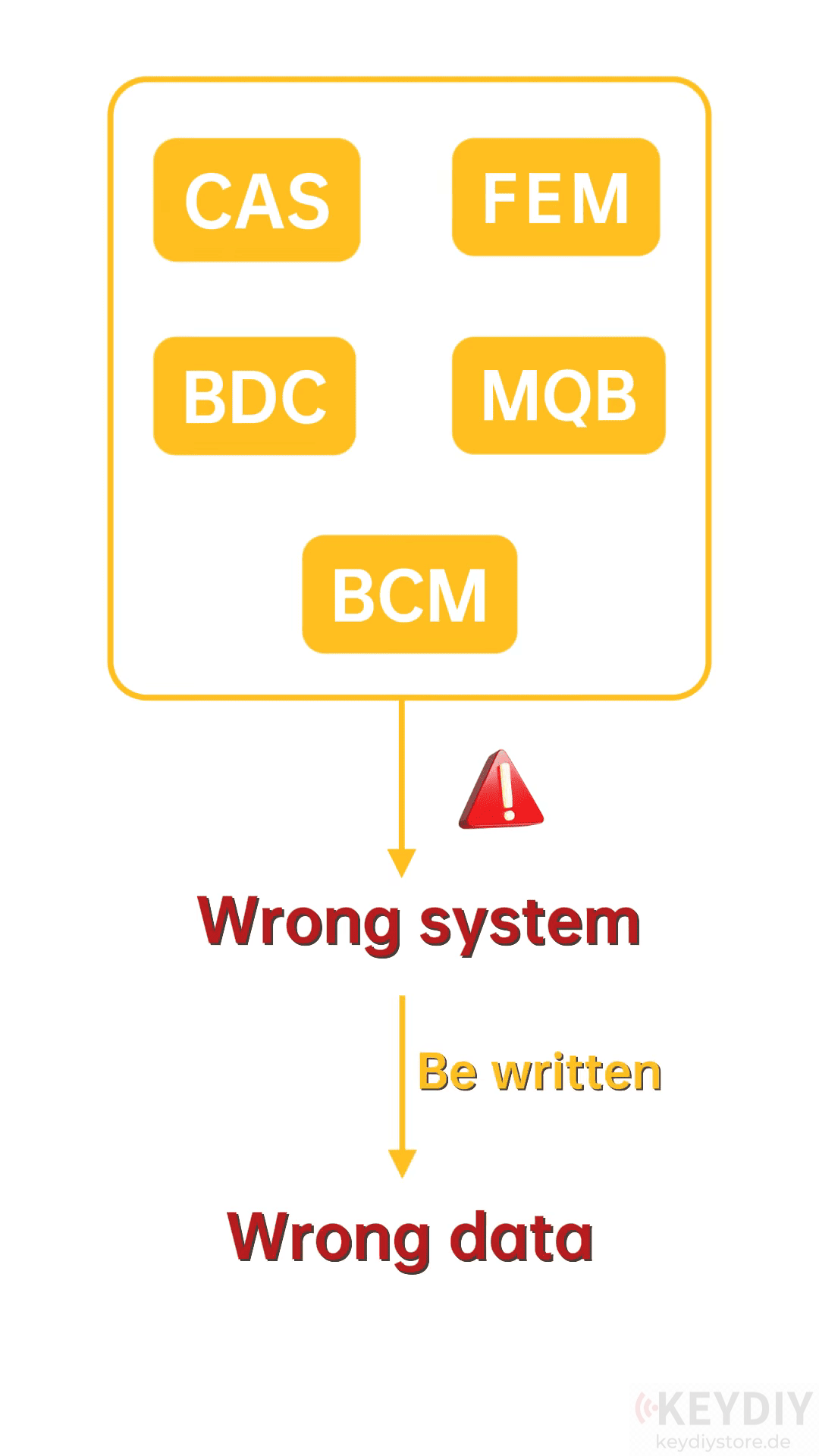
4. Wrong Menu/System Selection: Same brand, different year, different IMMO systems (CAS, FEM, BDC). Choosing the wrong menu causes a dangerous, silent break where wrong data is written without immediate errors.
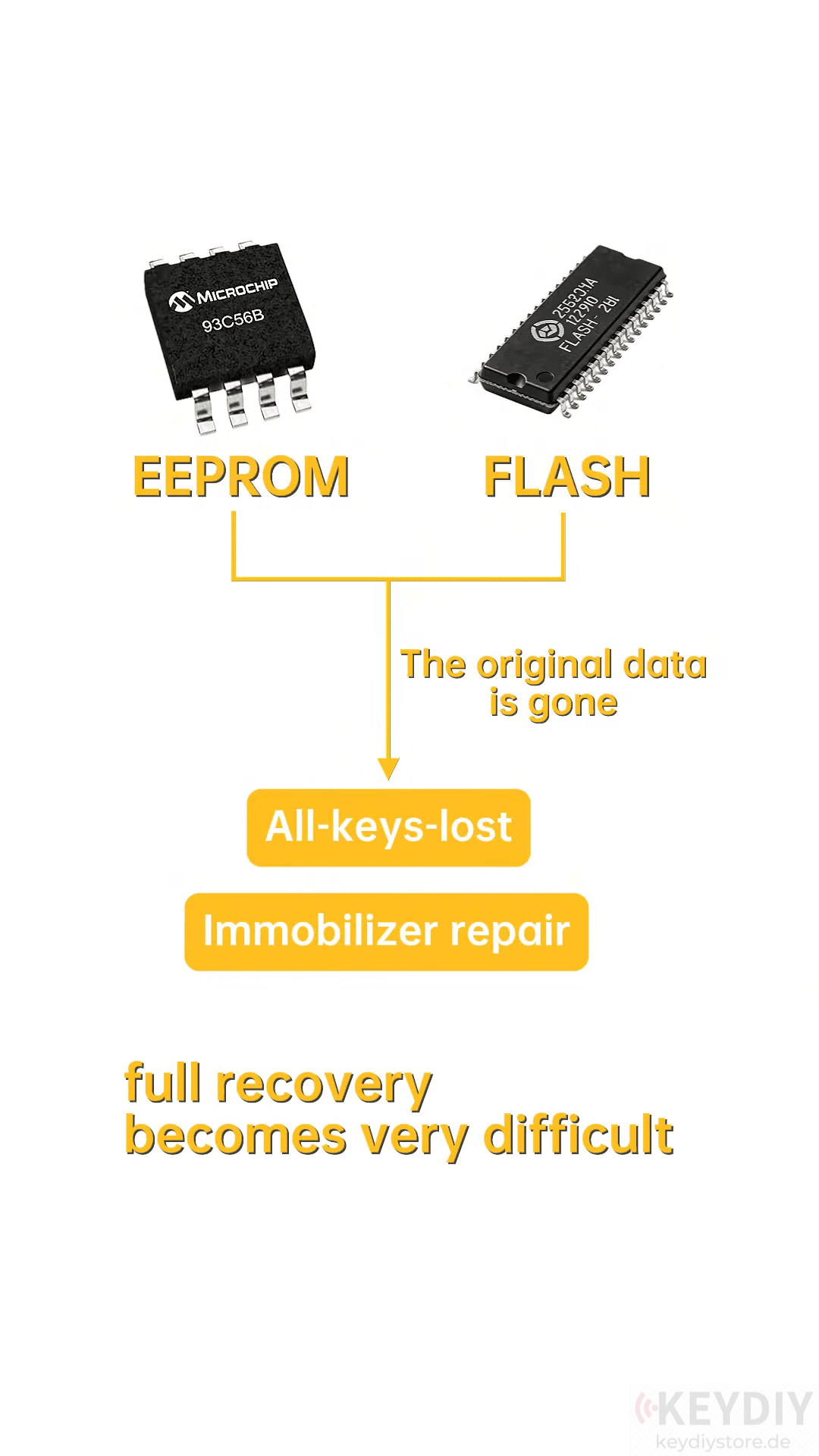
5. Skipping Backups: Working on EEPROM, Flash, or IMMO repairs without a backup is a gamble you will eventually lose. Backup is not optional; it’s a survival step.
6. Ignoring Tool Warnings: Don’t risk a customer’s vehicle just because “you saw someone else do it this way.”
As we demonstrate with our KEYDIY KD-X4 setup in the guide, key programming isn’t about speed—it’s about stability. At the beginner stage, it’s not about doing more jobs; it’s about NOT breaking cars.
Leave a Reply